Pharmaceuticals

Enzymes for Wastewater Treatment
Application areas
-
-
Power & energy
-
Food & beverage
-
Dairy
-
Petrochemicals
-
Textiles & Leather
-
Pulp and Paper
-
Municipal Solid & Liquid Waste Management
Benefits using enzymes
-
Reduction in ammonia
-
FOG Removal
-
AnarobicTreatment
-
Decomposition booster
-
Sludge reduction
-
Odor Control
Biotechnology is tomorrow’s need to make more greener envoirement and sustainable with the ideas where whatever organic waste being used for the bettermenet of our planet. This will happen when Biological waste treatment of water systems have been employed.Whether its industry or municipal waste water management is crucial and challenging. The enzymes plays important role in recycling waste water into consumable water.Enzymes are biocatalysts responsible for causing explicit chemical reactions forming the different metabolic procedures of the cells. Every strain of a microorganism creates countless enzymes which can be hydrolysing, oxidising or reducing and metabolic in nature.
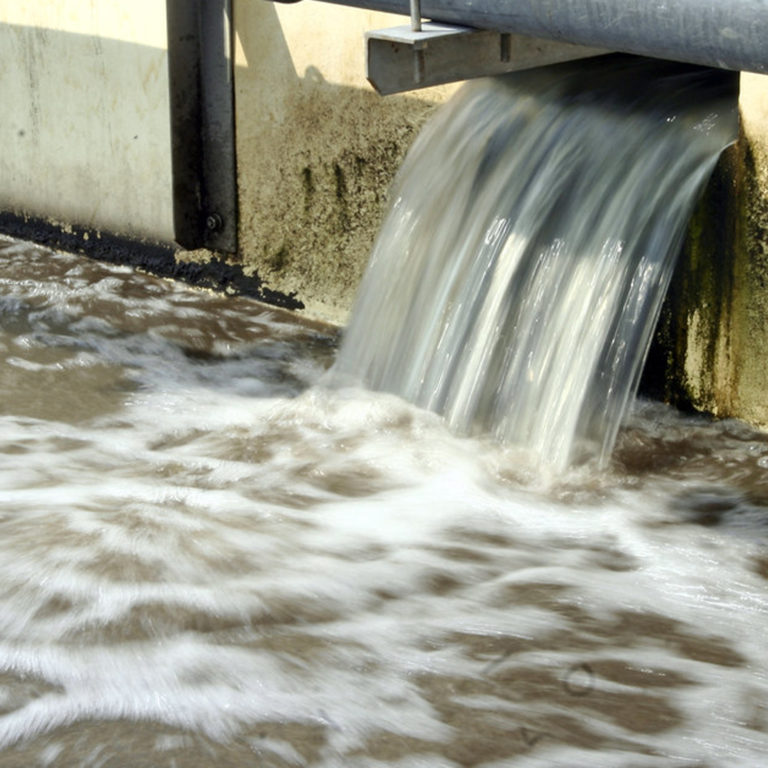
Many industrial applications the limitations on application like low catalytic activity, high temperature resistivity, low pH and high pressure. Further utilisation of organic solvents & disposal of organic waste and toxins. In such case enzymes are highly helpful for these applications as they work under mild reaction conditions (e.g. temperature, pH, atmospheric conditions) In case of waste water treatment and waste disposal that contain organic chemical effluent can be treated with variety of enzymes. In such case oxidative enzymes are often used to form free radicals that can be broken down into parts of the transformation product. The enzyme-catalyzed process exhibits minimal toxicity or is biodegradable throughput than the parent compound demonstrating the ability of the biological oxidative treatment to wastewater. The Oxidative enzymes includes oxygenases, peroxidases, and polyphenol oxidases are mainly used in wastewater treatment.
The most common enzymes used are
Oxygenases
Peroxidases
Polyphenol oxidases
Tyrosinases
Laccases
